Programme Detail

Eight weeks. A community-led journey.

Explore how the eight-week Positive Futures UK programme works, from identifying local challenges and developing solutions to taking action and planning longer-term opportunities.
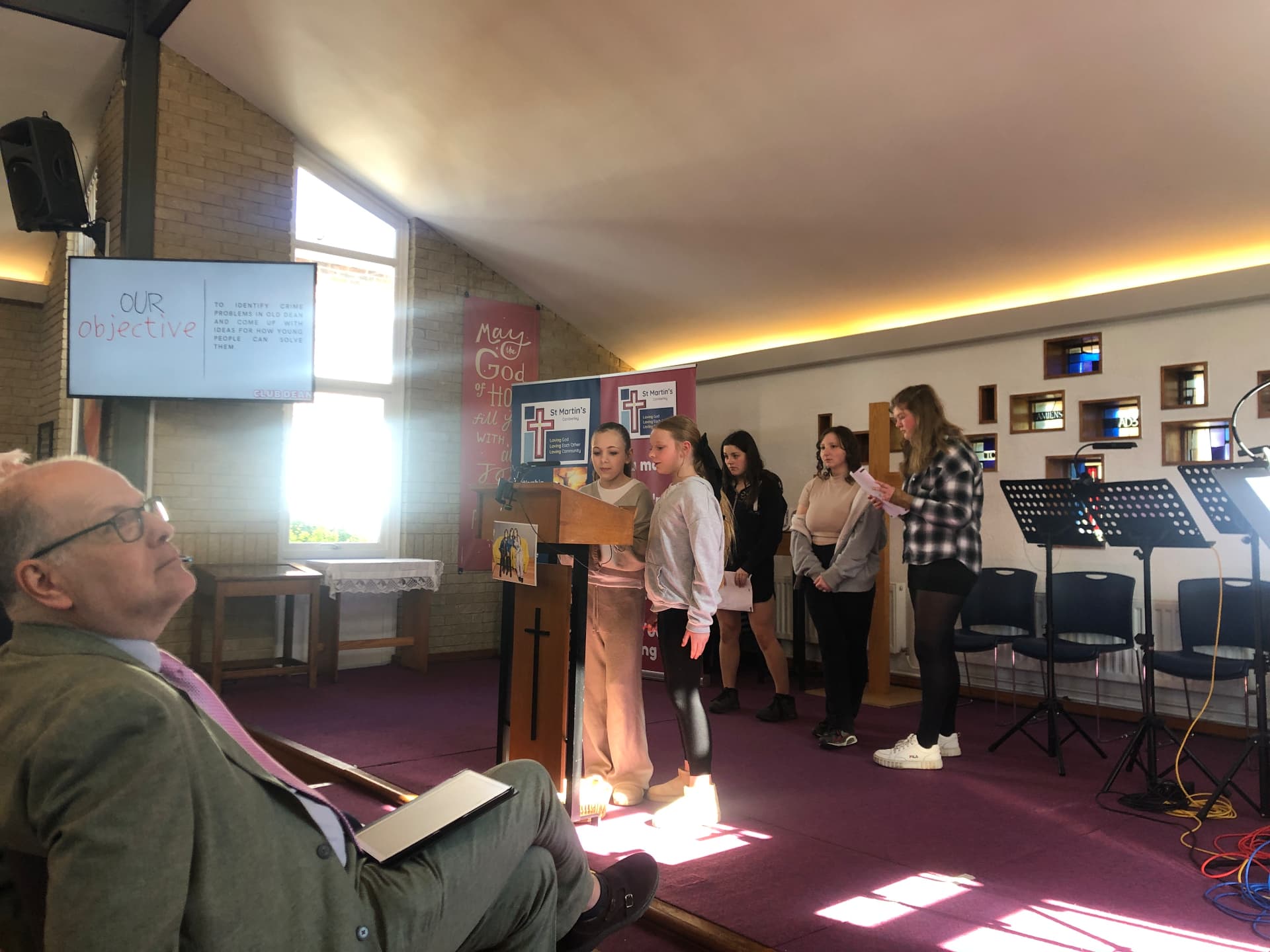
A presentation during a Positive Futures UK session at St Martin's
Before the programme

Programme preparation.

Prepare for local delivery with the checklist and an overview of the complete programme.

DOCX0.02 MB

Location Safeguarding Checklist

The safeguarding arrangements each organisation confirms before joining the programme, based on Surrey Safeguarding Children Partnership guidance.

Download DOCX
Document

Eight-Week Programme Overview

An introduction to the complete eight-week delivery journey.

Resource coming soon
The eight-week programme

How to run the programme, week by week.

Three connected phases take young people from spotting local problems to pitching solutions and making change happen. Here is what each week involves.

Phase 1 · Weeks 1–2

Identifying the Problems

Young people identify local challenges and understand the issues affecting their communities.

  1. Week 1

    What is happening?

    Young people visit their chosen locations and record what they see, guided by the police problem-solving workbook.

    • Walk the local area and note things about each location that might decrease feelings of safety.
    • Record behaviours that might make some people feel unsafe.
    • Observe who uses the space, how it looks and how it is cared for.
  2. Week 2

    Why is it happening?

    The group analyses what they found and agrees the problem they will work on.

    • Explore why the problem is happening — the people involved, the location and the wider community.
    • Discuss how the problem affects different parts of the community.
    • Agree the top three causes and outline the problem to solve.
Phase 1 resources
Phase 2 · Weeks 3–6

Developing Solutions & Pitching Ideas

Young people explore possible solutions, develop ideas and present proposals for addressing the issues they have identified.

  1. Weeks 3–4

    Developing solutions

    Young people generate ideas that are specific, creative and realistic.

    • Work through five approaches: increase the effort, increase the risk, reduce the rewards, reduce the provocations and remove the excuses.
    • Draw on the 25 situational crime prevention techniques for inspiration.
    • Weigh up each idea: why it would work, potential challenges and whether the cost is high, medium or low.
  2. Weeks 5–6

    Preparing the pitch

    The group chooses its strongest ideas and prepares to present them.

    • Discuss ideas as a group and select the solutions to take forward, with approximate costs.
    • Explore designs and practical options with police designing out officers.
    • Rehearse the pitch ready for the Dragons' Den.
  3. Week 6

    The Dragons' Den

    Young people pitch their solutions to local stakeholders, building on the Old Dean experience.

    • Present the chosen solutions and explain why each will work.
    • Answer questions on cost, permissions and who can help.
    • Agree with stakeholders which solutions will be taken forward.
Phase 2 resources
Phase 3 · Weeks 7–8

Taking Action & Planning Next Steps

Young people begin addressing achievable problems, consider longer-term solutions and move towards recognition and future opportunities.

  1. Week 7

    Fixing the easy things

    Action begins with the achievable solutions, learning from the MyTi experience.

    • Start delivering the solutions that can be done quickly.
    • Work with youth club leaders, residents and partners to make changes happen.
    • Record progress and celebrate early wins.
  2. Week 8

    Recognition and next steps

    The programme closes with recognition and a plan for what comes next.

    • Plan next steps for solutions that need longer-term work.
    • Celebrate the young people's work at a recognition event.
    • Introduce pathways into volunteering, skills development and further opportunities.
Phase 3 resources
Weeks 1–2

Identifying the Problems

Document

Problem Identification Framework

A framework for exploring local challenges with young people.

Resource coming soon
Document

The Woking Model

Supporting material on the Woking approach.

Resource coming soon
DOCX0.23 MB

Police Problem-Solving Workbook

The Surrey Police workbook young people use to scan and analyse local problems, develop solutions and prepare their pitch.

Download DOCX
Document

MyTi Club Experience

Learning from the MyTi Club experience.

Resource coming soon
Weeks 3–6

Developing Solutions & Pitching Ideas

Document

Police Designing Out Officers

Supporting material on exploring solutions with designing out officers.

Resource coming soon
Document

Old Dean Work & Dragons' Den

Supporting material on developing and pitching ideas in Old Dean.

Resource coming soon
Weeks 7–8

Taking Action & Planning Next Steps

Document

Fixing the Easy Things — MyTi Experience

Learning about addressing achievable problems.

Resource coming soon
Document

Expectations & Next Steps

Planning next steps for solutions requiring longer-term work.

Resource coming soon
Document

Recognition Event & Pathways Enrolment

Recognition and progression into future opportunities.

Resource coming soon